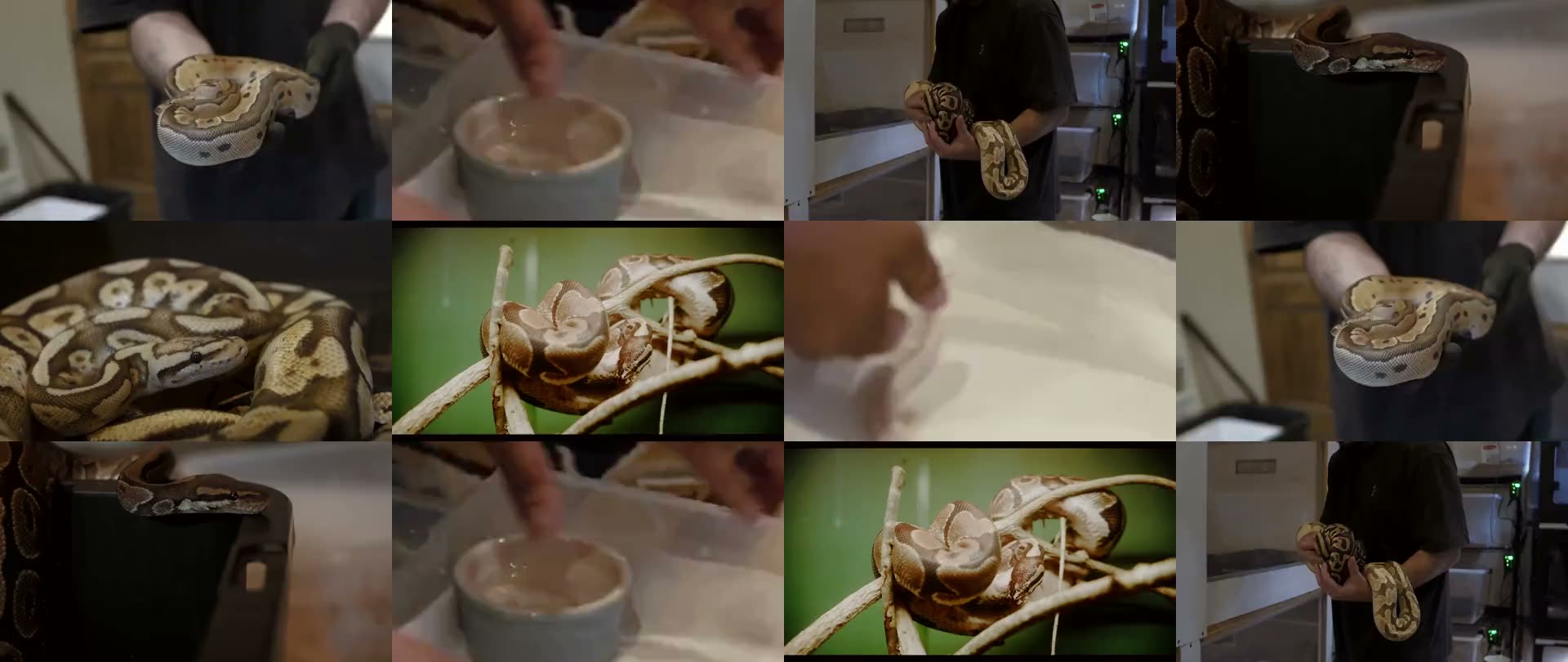
Stop guessing
at your ball python.
Thirty chapters that take you from your first hatchling to a breeding room, written in a room that has been producing ball pythons since 1991. Housing, heat, feeding, temperament, genetics, breeding, health. Not a list of rules. The reasoning underneath them, so you can read the animal in front of you.
The whole book, free with a Codex account. No card.
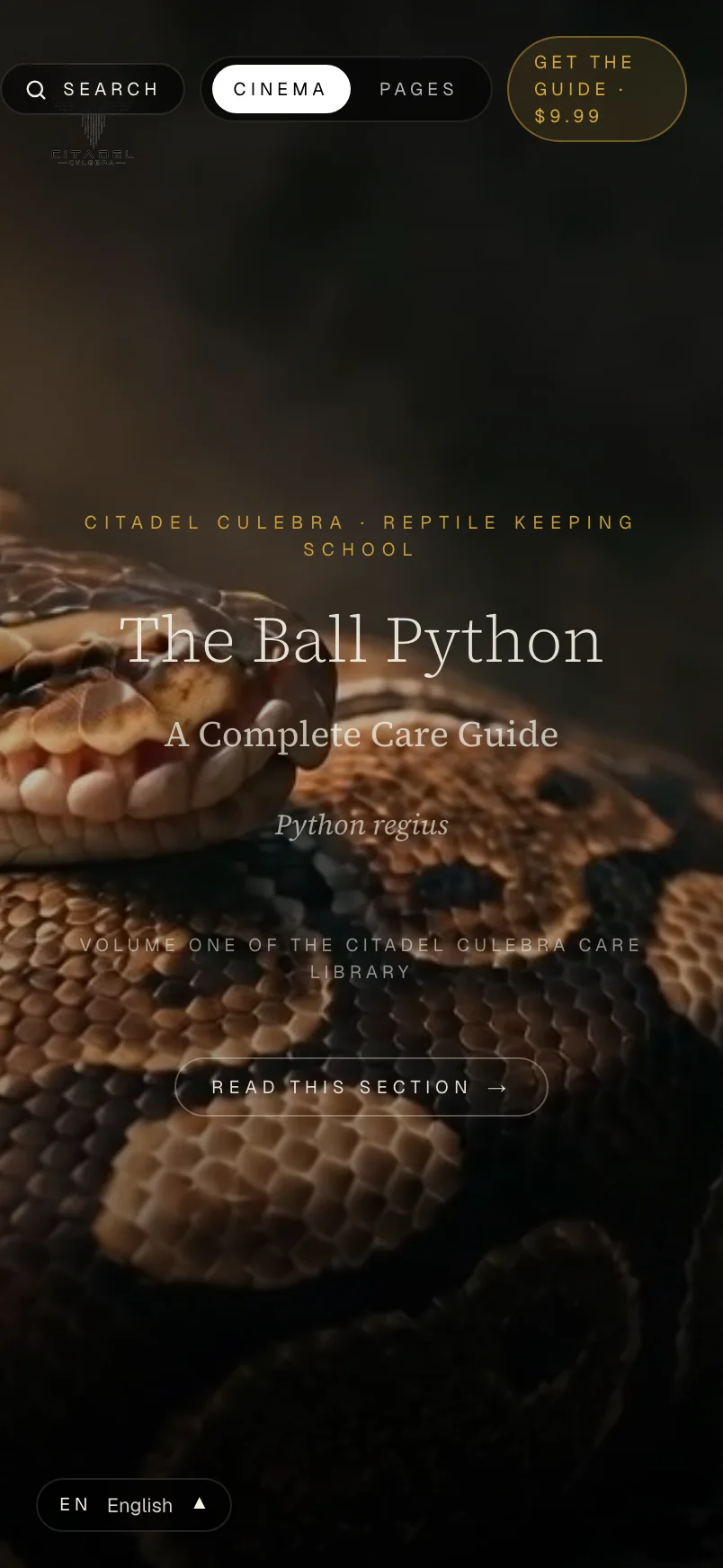

Written by the faculty.
This is the ball python curriculum of Citadel Culebra, the school for reptile keeping. It was written by the faculty, with Kevin McCurley as Chief Academic Officer. Working breeders, editors, students and keepers, learning from proven rooms and respecting that good husbandry has more than one valid path.
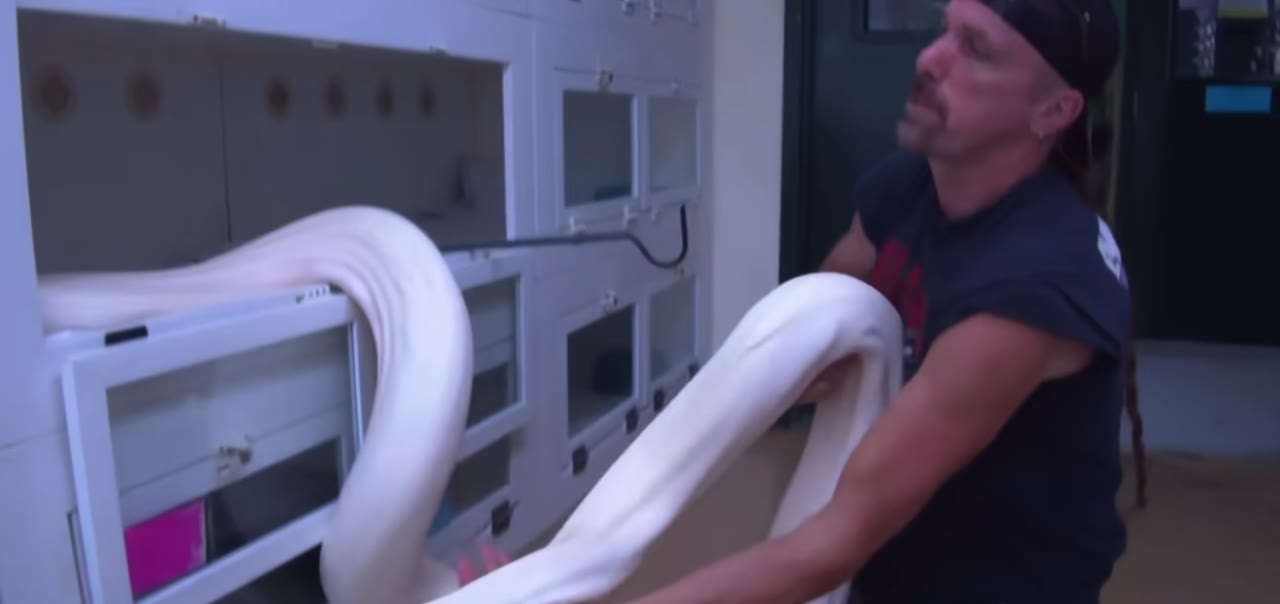
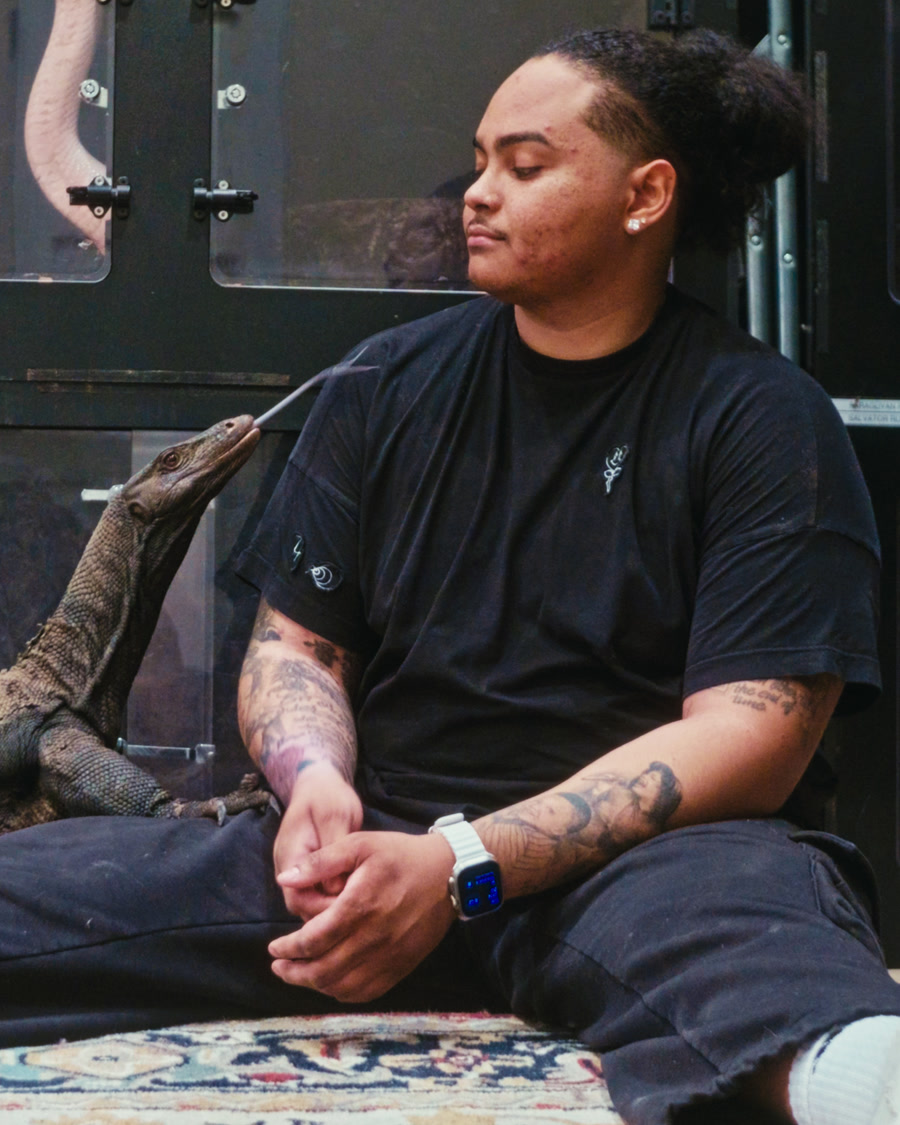 Braxton Warren, Co-author
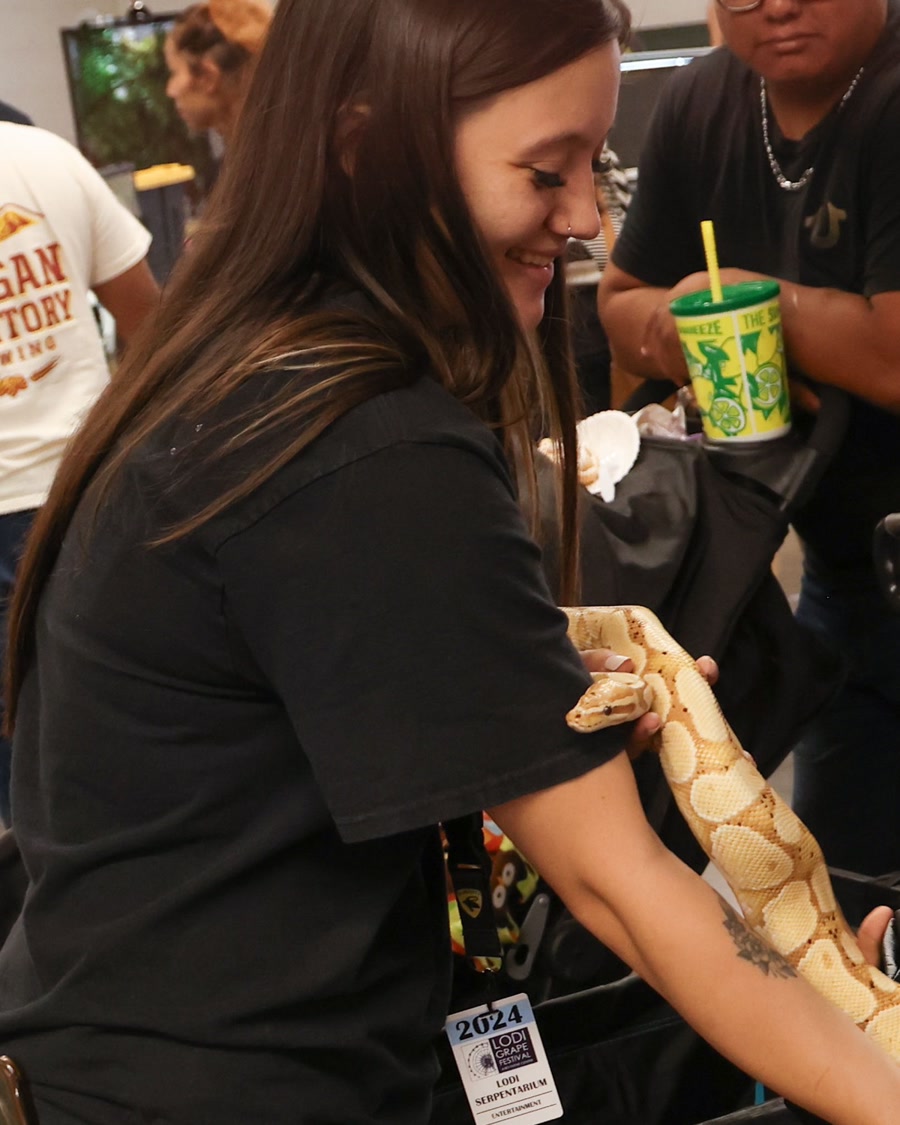 Jasmyn Brilliante, Editor
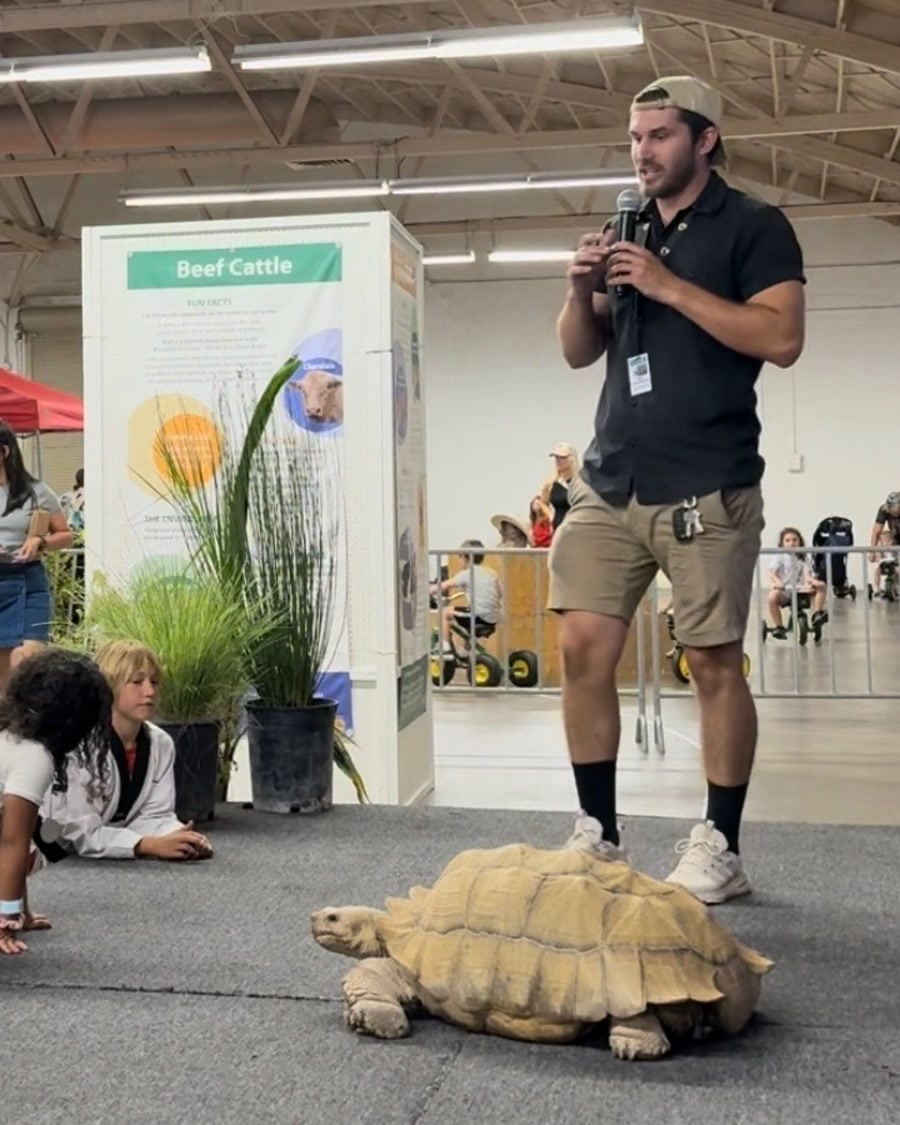 Tyler Bevers, Editor
There are no reader reviews on this page yet. The book’s new and we’re not writing fake ones. So judge it the other way: look at who wrote it.
New England Reptile opens in Plaistow, New Hampshire. Kevin’s been breeding ball pythons there ever since.
NERD proves the Super Pastel: the first super form of a co-dominant ball python trait, and the basis of how morph breeding has worked since.
Braxton Warren starts Citadel Culebra, bringing the best keepers in the reptile world together into one school. This guide is what that faculty teaches.
Thirty-five years of clutches, mistakes, and morphs nobody had a name for yet. That’s what you’re reading.
Ball python care gets easier when you can see the reasoning.
Reptile keeping has many valid approaches. The hard part is knowing why one keeper’s method works, when another method may fit better, and what your own animal is telling you. That is the work this book does.
“My snake won’t eat. Is it dying?”
Ball pythons are famous for going off food for weeks, even months, and being perfectly fine. The book shows you the difference between a normal fast and a real problem, plus a step-by-step plan to turn a problem feeder around.
“The humidity’s never right and the shed came off in pieces.”
You don’t need a swamp. Real numbers you can actually hold, why stuck sheds happen, how to fix a bad one safely, and the simple setup that keeps sheds coming off in one piece.
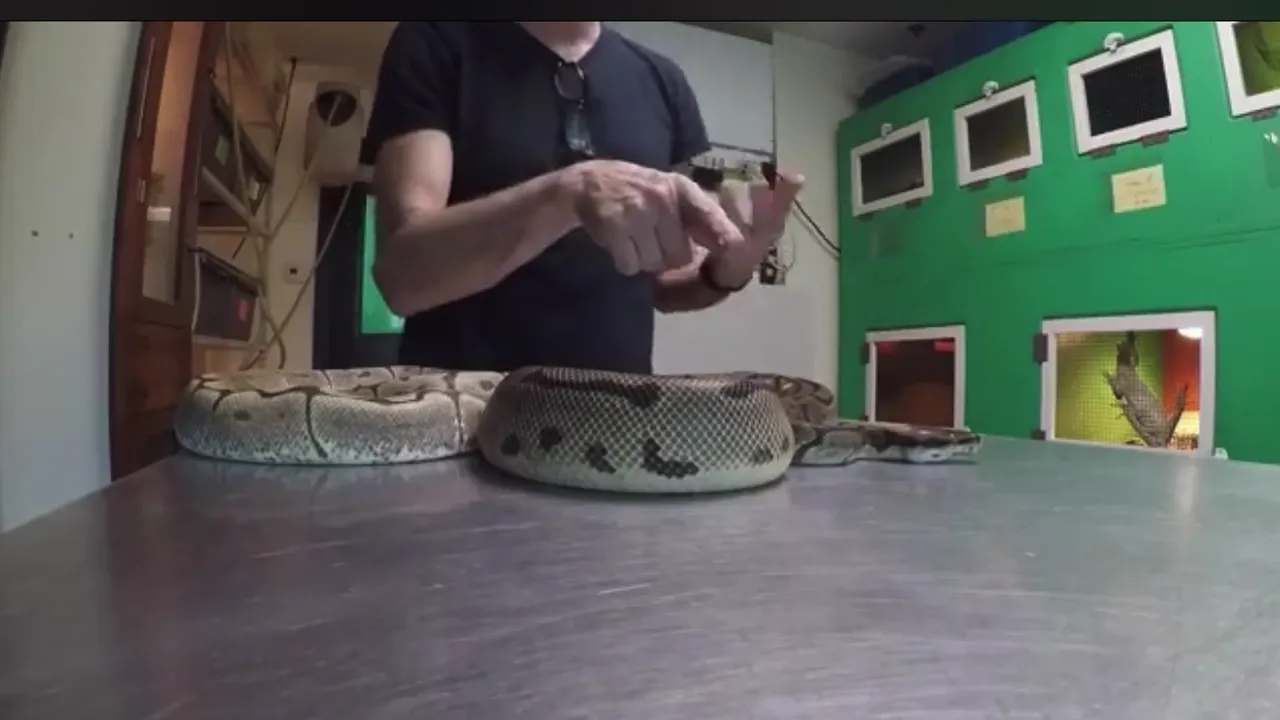
“It balled up and hid all day. Is it stressed or is it fine?”
A ball python that hides, soaks, or curls into a ball isn’t necessarily stressed. You’ll learn to read what the animal is actually telling you, so you stop guessing and start responding to the right things.
“The morph names make no sense to me.”
Dominant, co-dom, recessive, in plain English, with the Punnett math done for you. What a given pairing really produces, what to pay for, and what to walk away from.
“It struck at me and now I’m scared to handle it.”
Why they strike or ball up, how to read the animal before you reach in, and how to build a snake that trusts the hand, done calmly and safely. Kids included.
“Everyone online tells me something different.”
Two different things are happening. Good keepers do succeed with different rooms, tools, animals, and goals, and that disagreement is real. The rest is somebody who has kept one snake deciding that makes them an expert. This book cuts the second group out entirely. What’s left is people who have kept thousands of animals for decades, their methods laid side by side with the reasoning behind each, so you can choose what fits your snake instead of copying a single setup without context.
The complete guide is free.
Every chapter, free with a Culebra Codex account. Make an account and start reading tonight.
Read every chapter free.
Our newsletter. You get registered when you sign up here. Perspectives, research and stats from the school and the wider reptile community.
The complete guide, free.
All thirty chapters, in your Culebra Codex library.
- Genetics & morphs: the Punnett math worked out for you, pairing by pairing ($9 value)
- Health & medical: the signs that show up weeks before a vet visit does ($9 value)
- Heat, humidity & housing: numbers that hold in a real room, not a spec sheet ($9 value)
- Breeding & incubation: pairing through first feed, including what goes wrong ($9 value)
- Free updates to this edition: as the rooms teach us more, your copy keeps up ($9 value)
- Every language: five in the reader now, twenty more as they finish (included)
- Culebra Chronicles, the school’s newsletter (included)
All of it free with a Codex account.
Read this and you will understand that there is more than one right way to keep a ball python, and you will know the reasoning under each one, so you can tell which fits your room and your animal. You will ask sharper questions. You will notice things in your own snake you used to walk past. That is what this is for.
Free with a Culebra Codex account. Every chapter, on every device you read on.
Everything it takes to keep one well.
Thirty chapters shaped by professional keeping experience, schoolroom review, and the questions reptile people ask every day. The ten domains, in full.
The Animal & Its World
Where it comes from, and why a savanna-edge animal decides how you keep it.
Choosing the Right Snake
Captive-bred vs wild-caught, spotting a real breeder, and the quarantine that protects everything else.
Housing & Enclosure
Sizing by life stage, security, substrate and hides. Rack, tub, display or bioactive, done properly.
Heat, Humidity & Climate
Gradients, basking temps, thermostats, and humidity you can hold without a swamp.
Feeding & Nutrition
Prey size, frozen-thawed vs live, schedules by age, and turning a problem feeder around.
Temperament & Handling
Why they ball up, reading stress against calm, and building a snake that trusts the hand.
Health & Medical Care
The quiet killers caught early: RIs, mites, scale rot, stuck sheds. And when to call a vet.
Genetics & Morphs
Dominant, co-dom and recessive, with the Punnett math worked out and the pairings read for you.
Breeding & Incubation
Pairing to hatchling: readiness, ovulation, egg-laying, incubation, first feeds.
Conservation & Ethics
Where they really come from, the ranching trade behind the pet market, and what we owe the wild.
Thirty chapters. A complete ball python education —
from your first hatchling to a breeding room.
Read it like an app.
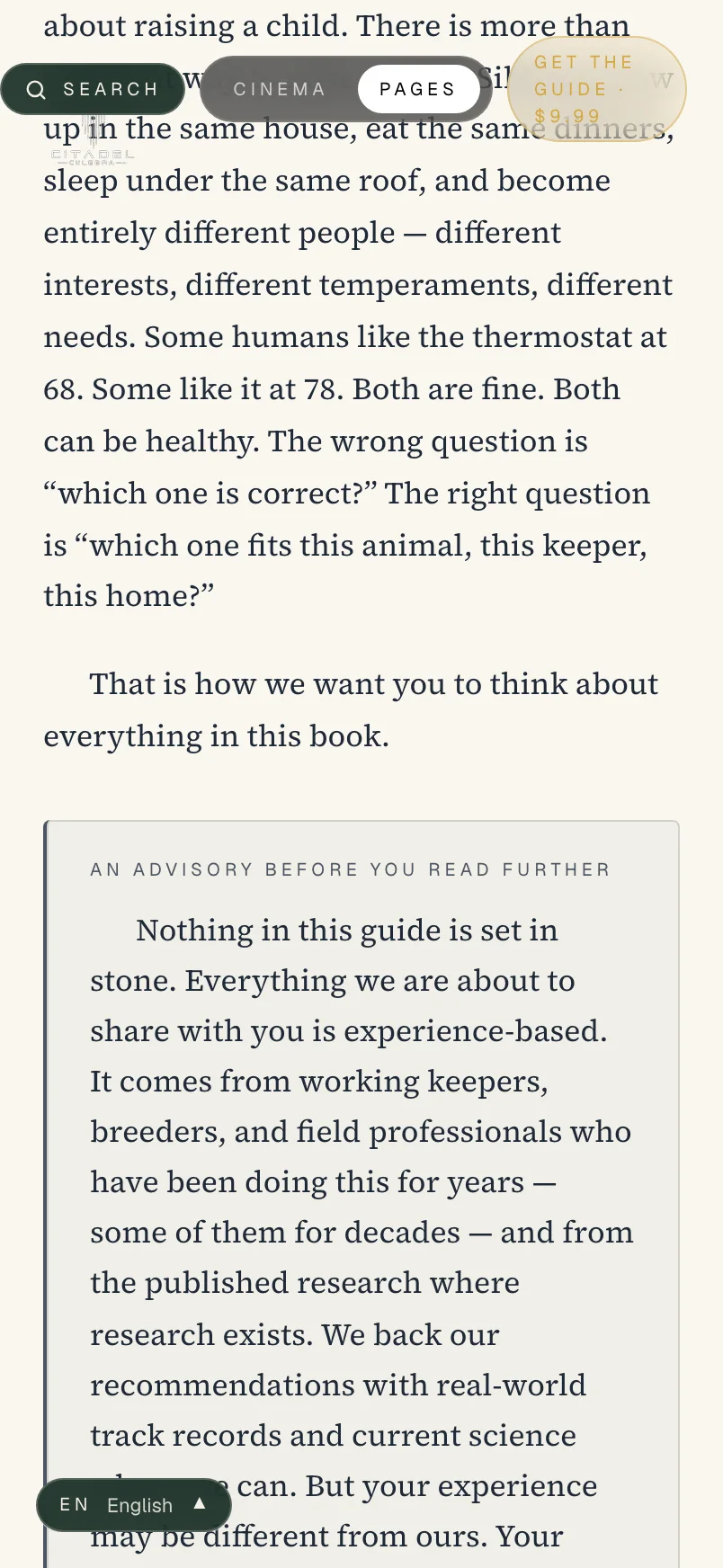
This is where the book lives. Not a file you download and lose track of, and not a storefront somebody else owns. The whole guide full-screen on your home screen, with real footage from our own rooms running between the chapters, and every page readable with the plane in the air and the signal gone. In English, Spanish, Portuguese, French or Italian, with twenty more languages on the way.
Save it to your home screen and it reads offline
Five languages now. Twenty on the way.
English, Spanish, Portuguese, French and Italian are finished and in the reader today, every chapter. The other twenty are being translated against a keeping glossary we wrote, so the terms hold. Each one opens the day it passes. Buy the book once and every language is yours, including the ones that aren’t done yet.
- English
- Español
- Português
- Français
- Italiano
- Deutsch
- Nederlands
- Polski
- 中文
- 粵語
- 日本語
- 한국어
- Tiếng Việt
- Bahasa Indonesia
- Tagalog
- ไทย
- हिन्दी
- اردو
- ਪੰਜਾਬੀ
- پښتو
- العربية
- فارسی
- Kiswahili
- isiZulu
- Yorùbá
English is the original. Where a translation and the English disagree, the English governs.
This book is one species.
Citadel Culebra is the school.
Ball pythons are where most keepers start. Almost nobody stops there. The people who wrote this guide teach the rest of it, and you can watch them work before you decide anything.
Every master class as it ships, and every guide in the Care Library. This book included. One membership covers the lot, whatever you keep next.
We build our own. The reader you are about to read this in is ours, and so is everything coming after it. Members get each piece the day it goes live.
Our own network for keepers, built so you can ask a real question and get an answer from someone who keeps what you keep. Members are on it first.
$79.99 a month for as long as you stay in. The Founding Class of 2026 closes at $99.99, and joining now is how you never pay it.
Orientation is Wednesday, September 9. The academic calendar for the whole year goes out the last week of August, so you will know every date before the first class.
Plenty of people only ever want the book, and that’s a fine place to stop. The membership is for the ones who already know the ball python won’t be the last snake in the room.
Get in before it’s finished.
The founding price is the price you keep, for as long as you keep the membership. It goes to $99.99 once the class fills, and everyone who joined at $79.99 stays at $79.99.
Billed $79.99/month. Your membership renews automatically each month until you cancel. Cancel anytime — no future charges.
Manage or cancel anytime in your account.
Questions.
Is it really free?
Yes. All thirty chapters are free with a Culebra Codex account. No card, nothing locked.
I already keep ball pythons. Is this beginner stuff?
The first half will be familiar if you’ve kept one for a few years. The genetics, breeding, and incubation chapters are not. Those come out of a room that’s been producing ball pythons since the early nineties, and they cover the calls that go wrong quietly.
My snake hasn’t eaten in two months. Does the book cover that?
Chapter five, at length. Ball pythons fast, and most of the panic online comes from keepers who can’t tell a normal fast from a real problem. The book gives you the difference, then a plan for turning a genuine problem feeder around.
Can I read it in my language?
Five are finished and in the reader right now: English, Spanish, Portuguese, French and Italian. Pick one and every chapter follows. Twenty more are in translation — German, Dutch, Polish, Mandarin, Cantonese, Japanese, Korean, Vietnamese, Indonesian, Tagalog, Thai, Hindi, Urdu, Punjabi, Pashto, Arabic, Farsi, Swahili, Zulu and Yoruba — and each one opens the day it passes. All of them are free, the finished ones and the ones still coming. English is the original text, and where a translation disagrees with it the English governs.
Why is the school membership so much more than the book?
The book is one species, read once, kept on the shelf. The membership is the whole school: every master class as it ships, every guide in the Care Library, the platform we’re building, and the network the keepers live in. Plenty of people only ever want the book. That’s a fine place to stop.
What is Culebra Chronicles?
The school’s newsletter. Case studies, new guides, research finds, and notes from keepers. You get it when you sign up here, and one click gets you out of it.
Start reading tonight.
The whole book, free with a Codex account, in your browser in about thirty seconds.